The Dangers of Improper Lane Usage by Trucks
Improper truck lane usage can cause devastating crashes and severe injuries. Understand the risks, liability issues, and impact on accident victims.
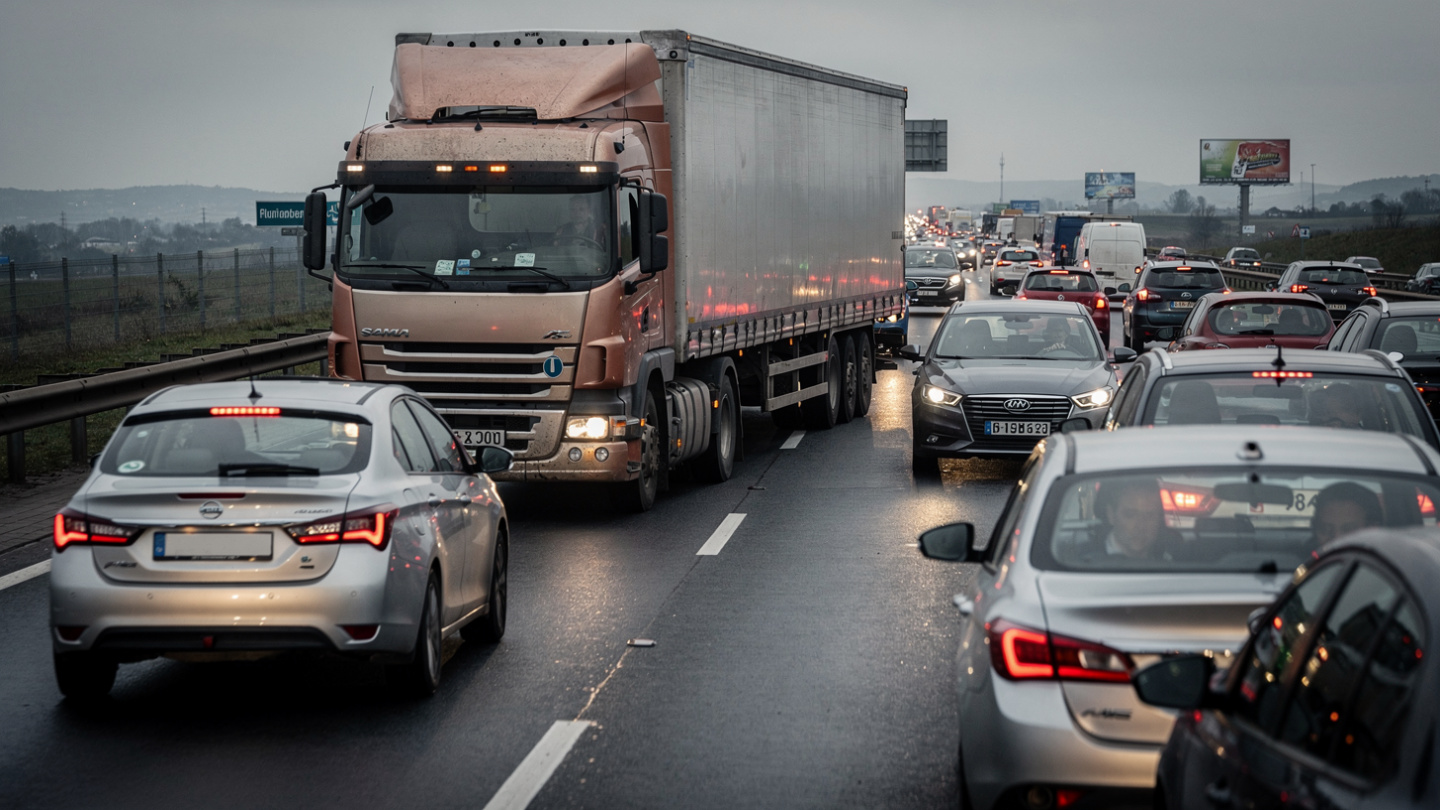
Commercial truck drivers are expected to follow all applicable laws and use extreme caution as they drive on public roads. Unfortunately, truck drivers are also human, and it’s common for them to make unsafe decisions that place other drivers in harm’s way. Improper lane usage commonly occurs when truck drivers are too distracted to notice hazards in the road, or they may opt to drive in a restricted lane out of the desire to make better time.
No matter what reason leads to a truck driver using or changing lanes improperly, the consequences can be devastating. While a collision between two passenger cars can be serious, the chances of catastrophic injuries increase with the massive size of commercial trucks. Sadly, these types of accidents are mostly preventable. Holding truck drivers and the companies they work for responsible for maintaining safety on the roads is essential for helping people avoid severe injuries.
Knowing about the dangers of improper lane usage by trucks and what to do if your life is impacted by someone’s poor decisions helps you prepare for a strong recovery.
Recognize the Most Common Types of Lane Violations
Being able to notice when a truck driver is making unsafe decisions can help you avoid a potential accident. Large tractor-trailers often have extensive blind spots that can make changing lanes difficult if a driver doesn’t follow the proper procedures. Truck drivers must rely on their mirrors, camera systems, and visual scans of the road to identify safe points to change lanes. Neglecting their blind spots is a common reason for truck and passenger vehicle collisions.
Truck drivers may also fail to use the proper signals. This might be due to excessive fatigue, distraction, or poor habits in general, leading them to not hit the switch. Or, a driver might be drifting between two lanes due to excessive fatigue or distractions. Truck drivers who are viewing a screen or performing other distracting tasks can often mimic the swerving effects of an intoxicated driver.
Commercial truck drivers may also decide to use restricted lanes to bypass other vehicles. For instance, they may stay in the left lane when it is intended for passing vehicles only. If a road prohibits trucks from being in the left lane, then it creates a hazardous situation when they stay where they aren’t allowed. A slow-moving truck in the passing lane could cause other drivers to engage in risky maneuvers to get around it. The large-sized vehicle can also block the other drivers’ sight and increase the risk of accidents.
Expect Potentially Catastrophic Physical Injuries
Most passenger vehicle and truck collisions involve serious injuries. The sheer forces of a massive truck hitting a passenger vehicle can lead to severe and life-threatening traumatic brain injuries. Large trucks are also prone to rollovers, especially when the driver tries to swerve to avoid another car or object in the road. When the truck has a large trailer, the full-length of it rolling over increases the odds of multiple people being injured.
Crushing accidents are also common when truck drivers use lanes improperly. For instance, a truck driver who chooses to merge without checking their blind spot might cause severe damage as it sideswipes a car. In a worst-case scenario, this type of improper lane change could pin a car between the truck and a guardrail or other solid object on the side of the road.
A truck that makes a dangerous maneuver might also require you to make dangerous decisions. Being forced to drive off the road could land your car in a ditch or send your vehicle into a rollover. While this decision might be one that you make to avoid being crushed or trapped beneath a trailer, it can still lead to devastating injuries.
On top of brain injuries, you could face burns, spinal cord damage and amputation of your limbs in severe accidents. Even a broken bone could require you to take a lengthy time off from work, and many people never fully recover physically from catastrophic truck accidents.


Know How to Manage a Truck Accident Claim
The immediate aftermath of truck accidents often includes emergency medical intervention to save lives and prevent the loss of limbs. Even if you feel like you’re okay after a collision, you’ll still need to seek urgent medical care to make sure you aren’t bleeding internally or facing other hidden injuries.
Seeking medical treatment helps you immediately begin to document your injuries, which is important for managing your claim. Once you establish health care, your next step is to talk to a truck accident lawyer who can help you with the next steps of your case and tell you about your potential truck accident claim options. Truck accident claims often involve multiple parties. For instance, you might need to hold the trucking company responsible for failing to uphold proper safety protocols, such as having functioning signal lights on the vehicle.
Sadly, it is common for insurance and commercial trucking companies to try to pay the least amount possible for these types of claims. Making sure to document details that demonstrate your injuries and unsafe decisions on the part of others helps you build a stronger case for recovering the compensation you need to heal.
Many commercial trucking companies have features in place to help reduce the risks of accidents. For instance, in-truck cameras are designed to encourage commercial drivers to practice safe driving habits, such as avoiding distractions. Meanwhile, commercial trucks should also meet strict safety requirements before they are operated on public roads. Having functioning turn signals, braking systems and mirrors should help truck drivers avoid unsafe late changes.
If the worst should happen, remember that you still have the right to file a claim against a truck driver or company just like you would any other driver. If you notice unsafe driving, then it’s best to try to move away from the truck and get to a safer location on the road. If an accident occurs, then seeking medical attention immediately gives you a good starting point for preventing injuries from worsening. While the months ahead might be challenging, you can also rely on your legal and medical team to provide you with support throughout your recovery as you plan for the future.