Baltimore Medication Errors Can Cause Serious Patient Harm
Baltimore medication errors can cause serious harm. Learn how pharmacy negligence may affect patients and when a Baltimore pharmacy negligence attorney may help.
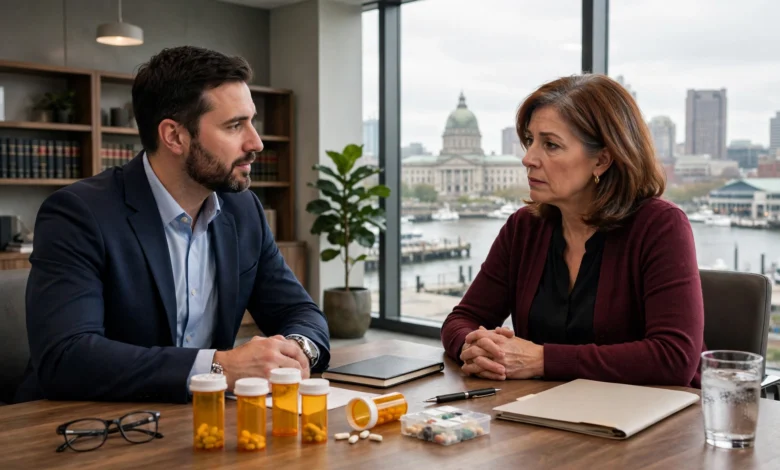
A medication mistake can turn routine medical treatment into a serious health crisis. In Baltimore, MD, patients may receive prescriptions, injections, or other medications from several healthcare professionals, creating multiple points where an error can occur.
When a pharmacy provides the wrong drug or dosage, a Baltimore pharmacy negligence attorney can help patients understand whether the mistake may support a legal claim. The FDA recognizes medication errors as preventable events that can result in inappropriate medication use or patient harm.
How Medication Errors Happen in Baltimore
Medication errors can happen at different stages of a patient’s care. A doctor may prescribe a drug without properly reviewing the patient’s medical history, allergies, or current medications. A pharmacy may fill a prescription incorrectly, while a hospital worker may give the wrong medication, dosage, or route of administration.
These mistakes can occur in Baltimore hospitals, medical offices, outpatient clinics, pharmacies, nursing facilities, and other healthcare settings. Errors may result from problems involving prescriptions, drug names, labels, packaging, communication, patient records, or medication administration procedures.
Common Types of Medication Mistakes
Some medication errors are easy to recognize, while others may not become apparent until a patient develops symptoms or experiences a serious complication. A patient may initially believe the problem is simply a side effect of treatment when the actual cause is an error in prescribing, dispensing, or administration.
Common examples include:
- Receiving the wrong medication
- Receiving an incorrect dosage
- Taking a drug that conflicts with another medication
- Receiving a medication despite a documented allergy
- Being given medication intended for another patient
Similar drug names and confusing packaging can also contribute to mistakes. For more information, review the FDA medication error guidance, which explains how drug names, labels, packaging, and other factors can contribute to medication errors and efforts to prevent them.
When a Medication Error May Become Malpractice
A medication mistake does not automatically mean that medical malpractice occurred. A potential claim generally requires evidence that a healthcare provider failed to meet the applicable standard of care and that the failure caused an injury.
For example, a physician may prescribe a medication despite information showing that a patient has a serious allergy to it. A pharmacy may also dispense the wrong medication or strength. Whether either situation amounts to malpractice depends on the facts, applicable professional standards, medical evidence, and connection between the mistake and the patient’s injury.

Injuries Caused by Medication Errors
The harm caused by a medication error can vary widely. Some patients may experience temporary symptoms, while others may require emergency treatment or develop permanent health problems. The seriousness of an injury can depend on the medication involved, the amount taken, the patient’s condition, and how quickly the error is discovered.
Serious medication mistakes may contribute to severe allergic reactions, organ damage, uncontrolled bleeding, blood clots, stroke, brain injury, worsening illness, or other complications. Errors involving medications that affect breathing, blood pressure, blood clotting, or other critical body functions can require immediate medical attention.
Finding Where the Error Occurred
A medication passes through several steps before reaching a patient. Understanding that chain can help clarify how an injury happened. A physician may select the medication and dosage, while a pharmacist may be responsible for correctly filling and labeling a prescription.
In a hospital or other medical facility, nurses and healthcare staff may be responsible for checking medications and administering them according to a patient’s orders. Facilities may also have responsibilities involving patient identification, recordkeeping, communication, staffing, and medication safety procedures. In some cases, more than one party may need to be investigated.
Steps to Take After a Medication Mistake
Patients who believe they received the wrong medication should take the situation seriously, particularly if they develop new or unexpected symptoms. Depending on the medication and symptoms, immediate medical attention may be necessary. Prompt treatment can also help create a medical record showing when symptoms began and what treatment followed.
After receiving appropriate care, patients should preserve relevant documents and record details about the medication involved, when it was taken, where it was obtained, and what symptoms followed. Prescription labels, pharmacy receipts, discharge paperwork, medication lists, medical records, and communications with healthcare providers may become important when investigating the incident.
Documenting and Reporting Medication Problems
Federal agencies track medication safety problems to identify patterns and improve patient safety. The FDA accepts reports involving medication errors and uses safety information to help identify concerns involving medications and their use.
Patients can review the FDA’s medication error resources to learn more about medication errors, reporting, and prevention. Reporting a medication problem, however, is different from proving legal responsibility for an injury. A report alone does not establish that a particular healthcare provider was negligent.
For a potential malpractice claim, medical records and qualified medical review can be important in determining whether a provider breached the applicable standard of care. Records can also help establish the treatment received, the medication involved, the patient’s condition before the error, and the medical consequences that followed.
Maryland Deadlines Can Matter
Patients in Baltimore should also be aware that Maryland medical malpractice claims are subject to legal deadlines and procedural requirements. Waiting too long to investigate a medication injury can make it harder to preserve records, identify witnesses, and determine whether a claim can still be pursued.
Maryland medical malpractice cases can also involve a Certificate of Qualified Expert and other procedural requirements. Because these rules can be detailed, a person who believes a medication error caused serious injury may benefit from obtaining legal advice promptly. An attorney can review the circumstances, identify potentially responsible parties, and explain the requirements that may apply.
Protecting Patients After a Medication Error
Medication safety depends on careful communication between doctors, pharmacists, nurses, hospitals, patients, and caregivers. A single mistake can have serious consequences, particularly when a patient takes several medications or has a complex medical condition.
For Baltimore, MD residents who believe a preventable medication mistake caused significant harm, understanding the difference between an unfortunate medical outcome and possible negligence is an important first step. Reviewing the medication history, preserving medical records, and seeking an informed legal assessment can help clarify the circumstances.
Not every medication mistake qualifies as medical malpractice. The applicable standard of care, evidence of negligence, and connection between the mistake and the injury must all be considered. Early investigation can help preserve the information needed to determine whether a legal claim may exist.