Does Your Defective Car Qualify Under California’s Lemon Law?
California Lemon Law protects buyers of defective vehicles. Learn how warranty issues, repair history, and legal requirements may affect your claim and remedies.
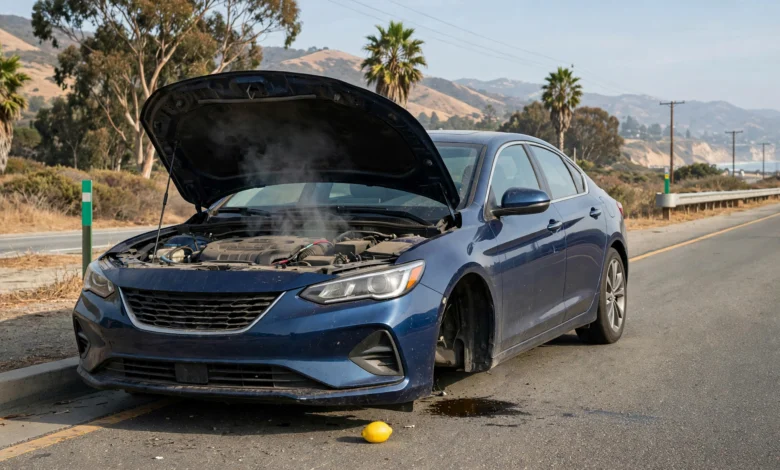
Buying a new or certified pre-owned car should mean you can count on it. When the same problem keeps sending you back to the dealership, that trust turns into frustration, missed work, and worry about whether the vehicle is even safe to drive. Many drivers in this spot wonder whether the law gives them a way out.
California has one of the strongest vehicle warranty laws in the country, but whether a car qualifies depends on specific facts about the vehicle, the defect, and the repair history. Speaking with a Lemon Law attorney in California can help an owner understand whether the problem meets the legal standard and what remedies may be available.
What California’s Lemon Law Covers
The state’s lemon law is formally called the Song-Beverly Consumer Warranty Act. It requires manufacturers to repair defects covered by their warranty within a reasonable number of attempts. If they cannot, the manufacturer may have to buy back the vehicle or replace it with a similar one.
The law generally applies to new vehicles and to used vehicles that are still under the original manufacturer’s warranty, including many certified pre-owned cars. Cars, trucks, SUVs, and vans bought or leased in California are commonly covered. Small businesses with no more than five vehicles registered in the state may also qualify.
What Counts as a Qualifying Defect
Not every problem makes a car a lemon. The defect must be covered by the manufacturer’s warranty, and it must substantially impair the vehicle’s use, value, or safety. A dashboard rattle is annoying, but it is not the same as a slipping transmission, failing brakes, or an electrical fault that shuts the engine off.
The problem also has to be one the manufacturer or its authorized dealer could not fix after a reasonable number of attempts. Damage from an accident, misuse, or unauthorized modifications is generally not covered. An extended service contract bought from a dealer is also different from the manufacturer’s warranty, and that difference matters when reviewing whether a defect falls under the law.
How Many Repair Attempts Are Enough?
The law does not set one fixed number for every case, but it does create a presumption that helps owners in certain situations. Within the first 18 months after delivery or 18,000 miles, whichever comes first, a vehicle may be presumed to be a lemon if one of the following happened:
- A defect that could cause death or serious injury was repaired two or more times, and the owner notified the manufacturer directly when the warranty materials required it.
- The same defect was repaired four or more times, and the owner notified the manufacturer directly when the warranty materials required it.
- The vehicle was out of service for repairs of warranty defects for more than 30 total days since delivery.
Meeting the presumption is helpful, but falling outside it does not automatically end a claim. Courts look at the full repair history, and a vehicle can still qualify after the 18-month window if the defect was reported and repaired while the warranty was active.
What Remedies May Be Available
When a vehicle qualifies, the owner may receive a repurchase or a replacement. A repurchase generally refunds the amount paid, including the down payment, monthly payments, taxes, registration fees, and certain related costs such as towing or rental cars. A replacement provides a substantially identical vehicle, with the manufacturer covering the related taxes and fees.


A refund is usually reduced by an offset for the miles driven before the owner first brought the car in for the defect. That offset is based on the purchase price and the odometer reading at the first repair visit. The law also allows a successful owner to recover reasonable attorney fees and costs from the manufacturer, which is one reason many owners can pursue these claims without paying out of pocket.
Records That Can Strengthen a Claim
Repair orders are often the most important evidence in a lemon law case. Each time you take the car in, describe the problem clearly and the same way every visit, and check that the repair order reflects what you reported. Always leave with a copy, even when the dealer says it could not find or recreate the problem.
It also helps to keep a simple log of dates, symptoms, mileage, and conversations with the dealer or manufacturer, along with receipts for towing or rental cars. Photos or short videos of warning lights or unusual behavior can help show a problem that does not appear during a quick test drive.
Why Timing Matters
Waiting too long can make a claim harder to prove. Warranties expire, and a pattern of problems is harder to show when months pass between repair visits. Lemon law claims are also subject to a legal deadline, which is generally four years, though when that period starts can depend on the facts of the case.
The process has also changed recently. Assembly Bill 1755 and Senate Bill 26 created new pre-lawsuit and early resolution steps for manufacturers that choose to follow them, while other manufacturers remain under the older rules. The California Department of Consumer Affairs explains these new lemon law procedures and keeps a list of manufacturers that have opted in. Since the steps can differ depending on who made your car, it is worth confirming which rules apply before you act.
Frequently Asked Questions
Does the lemon law cover used cars?
It can. A used vehicle may qualify when it is still covered by the manufacturer’s warranty at the time of the first repair attempt, which includes many certified pre-owned vehicles.
Do I have to go through arbitration first?
Not always. Some manufacturers offer a state-certified arbitration program, and whether you use it can affect how certain parts of the law apply.
What if the dealer says it cannot find the problem?
A visit where you reported the defect may still count as a repair opportunity. That is why a written repair order for every visit matters.
Final Thoughts
A car that keeps breaking down affects more than your daily drive. It can strain your budget and leave you worried about safety every time you drive. California’s lemon law exists to hold manufacturers accountable when they cannot fix what they sold.
Whether your car qualifies comes down to the warranty, the defect, and the repair history. Clear records and early advice can help you understand where you stand and what to do next.