What to Do After an ATV Accident in Lexington, Kentucky
Injured in an ATV accident in Lexington? Learn how an ATV accident injury lawyer can help protect your rights and pursue compensation for injuries and losses.
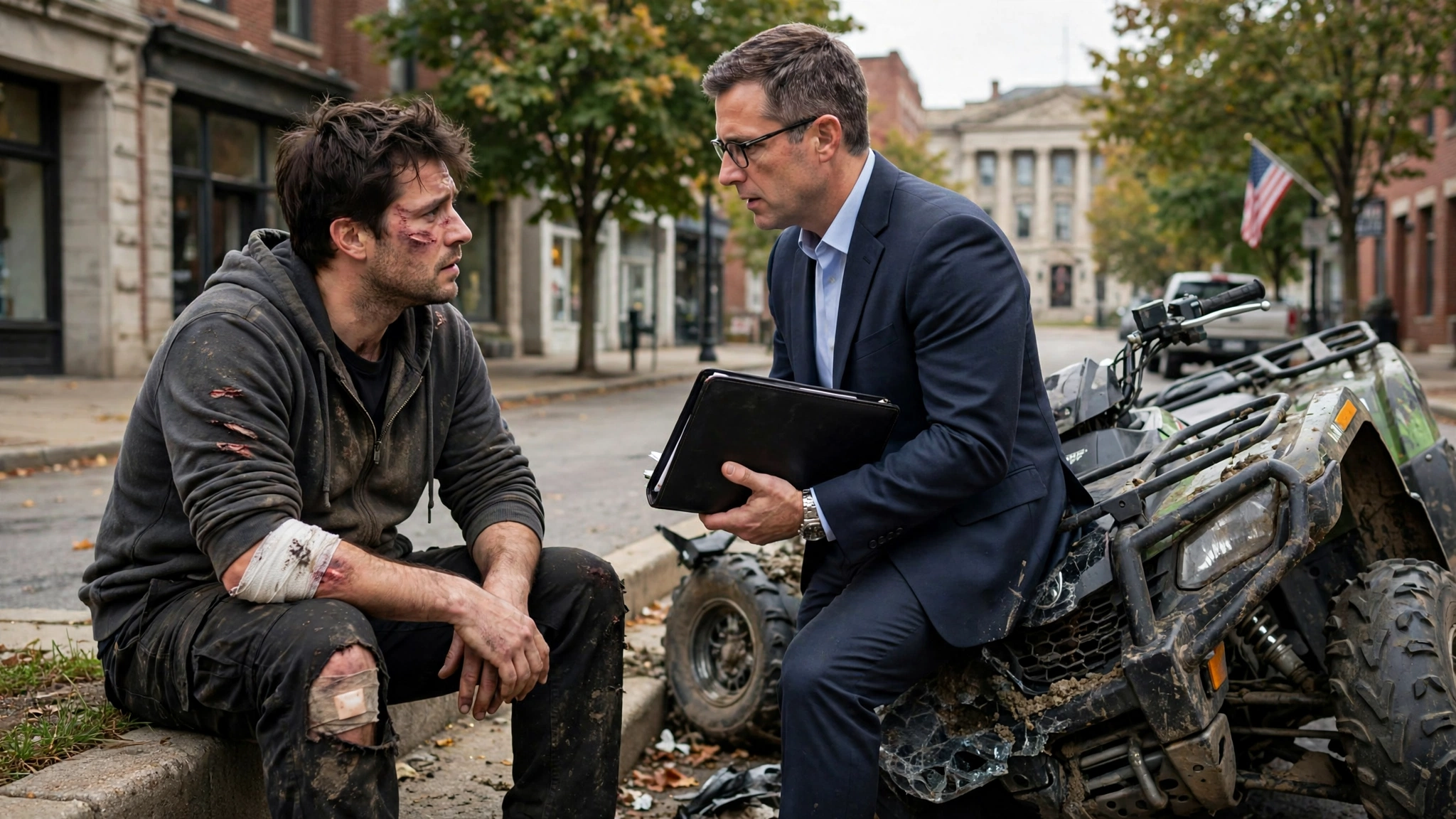
Riding an ATV is one of the more popular ways people in Kentucky spend a weekend. The trails, farmland, and open country around Lexington make it easy to see why so many families own one. But ATVs tip over easily, lack seatbelts and airbags, and a single mistake on a rough trail can turn into a serious injury fast. What you do in the days after can shape both your recovery and your ability to hold someone accountable.
If you or a family member was hurt while riding, talking with an ATV accident injury lawyer in Lexington early on can help you understand what your case might be worth and what steps protect it. Many riders do not realize how complicated these claims can get until an insurance adjuster starts asking pointed questions about where the ride happened and who owned the land.
Why ATV Crashes Are Different From Car Accidents
A car accident claim usually follows a familiar pattern: two drivers, two insurance policies, and a police report. ATV accidents rarely work that way.
Many crashes happen on private land, hunting property, or unmarked trails instead of public roads. A property owner who knew about a hidden ditch or a washed out bridge and said nothing could share the blame. So could a manufacturer if a steering component or brake system failed. Sorting out who is responsible takes more digging than a standard fender bender.
Get Medical Care First
Adrenaline can mask pain for hours after a rollover or a hard fall. Riders sometimes walk away from a crash feeling fine, only to wake up unable to turn their neck the next morning.
See a doctor even if the injury feels minor. A medical record created close to the date of the accident is one of the strongest pieces of proof that the crash caused your injury, not something that happened later.
Document the Scene While You Can
Trails change fast. Rain washes away tire marks, a landowner clears brush, or another rider passes through the same path a day later. Gather what you can while it is still fresh.
- Photos of the ATV from multiple angles, especially any broken or worn parts
- Pictures of the trail, ditch, fence, or obstacle involved in the crash
- Contact information for any witnesses, including other riders on the property
- Notes on any warning signs, or the lack of them, near the accident site
Watch What You Say to Insurance Adjusters
An adjuster may call within a day or two, sounding friendly and asking simple questions. Their job is to gather information that limits what the company eventually has to pay. A recorded statement given while you are still shaken up can end up used against you later.
It is fine to report that a crash occurred. It is a different thing to guess at speeds or agree to a quick settlement before you know the full extent of your injuries. Once you accept a payout, reopening the claim later is usually not an option.


Why Location Matters in Lexington
Lexington sits in the middle of the Bluegrass region, surrounded by horse farms, rolling pastureland, and rural roads connecting the city to smaller communities nearby. That mix of city and countryside means a lot of local riders take their ATVs onto private farmland and unofficial trails rather than marked recreational areas. It also means claims here often involve landowners or family property rather than a government agency responsible for a public trail. Knowing the local landscape makes a real difference when building a claim tied to this area.
Kentucky Law Adds Its Own Wrinkles
Kentucky treats ATVs differently from regular vehicles, and those rules affect how a claim gets built. There are restrictions on where ATVs can legally operate, and a violation can shift how fault gets assigned. State law also allows injured riders to recover damages even if they were partly at fault, though the amount they can collect drops based on their share of the blame.
For general information on rider safety and common causes of ATV crashes, the Consumer Product Safety Commission’s ATV safety guidance is a useful starting point, since it covers hazards tied to speed, passenger use, and unstable terrain.
Keep Track of What the Injury Is Costing You
Medical bills are only part of the financial picture. Missed shifts at work, mileage to physical therapy, and the cost of repairing the ATV itself all add up. Keep receipts and a simple log of missed workdays. That record becomes the backbone of any claim for lost income.
Some injuries heal within a few months. Others, like a spinal injury or traumatic brain injury, can affect someone for years, so it matters to have solid documentation from the start.
Frequently Asked Questions
Do I have a claim if the accident happened on someone else’s land?
You may. Property owners generally owe visitors a duty of reasonable care, especially if you were invited to ride there.
What if I was partly at fault for the crash?
Kentucky follows a pure comparative fault rule, so you can still recover compensation. Your award is reduced by your share of the blame, but a partial mistake does not end your claim.
How long do I have to file a claim in Kentucky?
Kentucky generally gives injured riders one year from the date of the accident to file a lawsuit, so it helps to start gathering records early.
Can a manufacturer be responsible if my ATV malfunctioned?
Yes, if a defective part or design flaw contributed to the crash. These cases often require a closer look at maintenance history and any related recalls.
Will my case have to go to court?
Most ATV claims settle through negotiation rather than trial, though a well-documented case tends to lead to stronger settlement offers.
Moving Forward After a Crash
An ATV accident can leave a rider dealing with pain, mounting bills, and a long list of unanswered questions. Getting medical care right away, preserving evidence, and being careful with insurance companies are the basic steps that protect both your health and your claim.
From there, sorting out who else might share responsibility usually takes a closer look at the facts of the crash. Talking with someone who handles these cases regularly can help you understand where you stand and what options are available.