What to Do After a Construction Accident in Syracuse, NY
Syracuse construction accident attorneys explain injured workers’ rights, compensation, liability, and legal steps after a serious job site injury or accident.
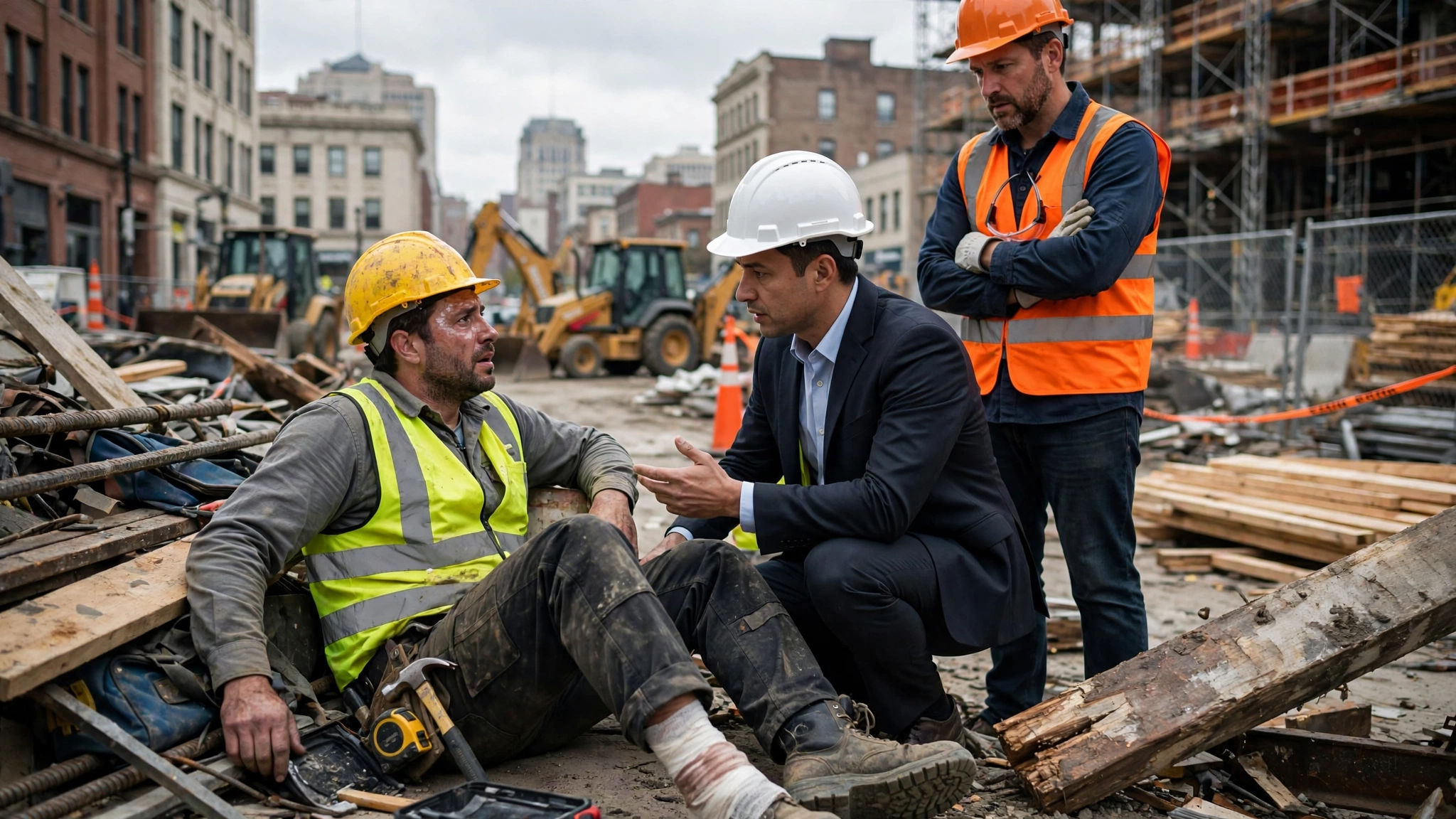
Construction work is hard on the body even on a good day. Add a fall, a piece of heavy equipment, or a stack of loose materials, and a normal shift can turn into a hospital visit. Workers in Syracuse deal with this reality often, since the city has seen years of steady building activity.
If you get hurt on a job site, what you do in the hours and days after matters. It can affect your health, your paycheck, and whether you are able to hold anyone accountable for what happened. Working with experienced Syracuse construction accident attorneys can help you understand your options early, before evidence disappears or deadlines pass. Here is a plain look at what injured workers should know, along with when it makes sense to talk to a lawyer.
Syracuse has been in growth mode for years, with steady building activity across the city. The Interstate 81 project has brought crews, heavy machinery, and traffic changes near downtown, while housing and commercial builds continue in neighborhoods like Eastwood and the Near West Side, plus nearby towns such as Liverpool and Cicero. With that much construction happening, accidents are common, which is why understanding your rights as a Syracuse worker matters.
Common Ways Workers Get Hurt on Job Sites
Falls are the most talked about hazard in construction, and for good reason. Workers can fall off ladders, scaffolds, roofs, or open floors, and the injuries that follow (broken bones, head trauma, spinal damage) can be severe.
But falls are not the only danger. According to OSHA’s construction industry safety guidance, a short list of hazards causes most construction deaths and injuries: falls, being struck by an object, getting caught in or between equipment, and electrocution. Add moving vehicles, unstable trenches, and faulty machinery, and it is easy to see why job sites carry real risk every single day.
Report the Injury and Get Checked Out
The first steps after an accident are simple, even if they do not feel that way in the moment.
Tell your supervisor or employer what happened as soon as you can. A written report creates a record of the date, time, and details while they are still fresh. Waiting too long to report an injury can make it harder to prove later that it happened at work.
Next, see a doctor. Some injuries, like a concussion or a soft tissue tear, do not show obvious signs right away. Let the medical staff know the injury happened on the job, and follow whatever treatment plan they give you. Medical records become an important piece of evidence if a claim is questioned down the road.
Workers’ Compensation Basics
New York requires most employers to carry Workers’ Compensation insurance. If you get hurt doing your job, this coverage can help pay for medical treatment and replace part of your lost wages while you recover.


One helpful thing about Workers’ Compensation is that you generally do not have to prove your employer did something wrong to receive benefits. That said, insurance companies do not always agree with a worker’s account of what happened, how bad the injury is, or how long recovery should take. When that happens, having solid documentation, meaning accident reports, medical files, and pay records, can make a real difference.
When a Third Party May Also Be Responsible
Workers’ Compensation is not always the full picture. In many construction accidents, someone other than your direct employer played a role, and that opens the door to a separate injury claim.
A few examples:
- A subcontractor left a work area unsafe, and you were hurt as a result.
- A piece of equipment had a defect, and the manufacturer may share responsibility.
- A driver on or near the site acted carelessly and caused a collision involving a worker.
- A property owner ignored a known hazard on the job site.
These cases can be more complicated than a standard Workers’ Compensation claim, and building one usually requires looking closely at contracts, safety records, and who controlled the area where the accident happened. This is often where speaking with an attorney who handles these cases can help sort out which options apply to your situation.
Why Evidence Disappears Fast on Job Sites
Construction sites do not stay frozen after an accident. Crews keep working, damaged equipment gets hauled off, and unsafe conditions often get fixed within a day or two. That is normal, but it also means evidence can vanish quickly if nobody thinks to preserve it.
If you are able, try to gather:
- Photos or video of the accident scene, taken from a few angles
- Names and phone numbers of coworkers who saw what happened
- A copy of the official accident report
- Maintenance and inspection records for any equipment involved
- Safety training documents connected to the task you were performing
Even a few clear photos taken on a phone can end up mattering a lot later.
Injuries That Stick Around
Some construction injuries heal in a few weeks. Others do not. Back injuries, joint damage, and head injuries can leave lasting limits on lifting, standing, climbing, or driving, all things that are hard to avoid in this line of work.
If an injury keeps you from returning to your usual job, that changes the financial picture. Lost income adds up fast, and ongoing medical care can too. It is worth asking whether other disability benefits might apply on top of Workers’ Compensation, especially if the injury affects your ability to work long term.
Frequently Asked Questions
Do I need to prove my employer was at fault to get Workers’ Compensation?
. Workers’ Compensation generally covers job injuries regardless of fault, though disputes over the injury or treatment can still come up.
Can I file a claim against someone besides my employer?
Sometimes. If a contractor, property owner, equipment maker, or another party contributed to the accident, a separate claim may be possible alongside Workers’ Compensation.
What if my employer disputes my injury?
This is where documentation counts. Medical records, witness statements, and a clear accident report can support your side if a claim is challenged.
How soon should I talk to a lawyer?
Sooner is better. Evidence disappears quickly on active job sites, and some claims have strict deadlines.
Final Thoughts
A construction accident can throw a lot at you at once: pain, missed paychecks, and a pile of questions about what happens next. Reporting the injury, getting medical care, and holding onto records are the basics that protect you early on.
From there, figuring out whether Workers’ Compensation covers everything, or whether a third party shares responsibility, usually takes a closer look at the facts. Talking with a Syracuse construction accident attorney can help you understand where you actually stand and what steps make sense from here.