How Legal Guidance can Shape Outcomes in Everyday Disputes
Learn how lawyers help navigate legal disputes, protect your rights, and why a skilled criminal defense lawyer is vital when facing charges and legal challenges.

Key Takeaways
- Legal advice can prevent minor disputes from escalating.
- Professional guidance ensures rights are protected, and obligations are clear.
- Early legal intervention can lead to more favorable outcomes.
Disputes occur frequently in our daily lives, ranging from minor disagreements to more complex conflicts that require thoughtful intervention. Whether dealing with issues at home, at work, or in the community, knowing where to turn for help is crucial. Seeking the advice of a lawyer early in a dispute can be key to protecting your interests and resolving matters quickly and fairly. In many situations, professional legal guidance clarifies your rights and responsibilities, reducing the risk of escalation and unwanted consequences.
When faced with a legal issue, individuals often feel overwhelmed or unsure about next steps. Legal professionals can guide you through processes, interpret laws that may apply to your situation, and mediate discussions to reach mutually acceptable solutions. Early legal intervention not only safeguards your current interests but can also protect against future disputes by setting clear agreements and expectations. Furthermore, being proactive in seeking legal help can alleviate stress, save money, and ultimately provide peace of mind.
Everyday conflicts can broadly impact your personal and professional relationships if not handled with care. By using prudent legal counsel, people can gain a better understanding of the context and ramifications of their specific challenges. This approach emphasizes respectful negotiation and informed decision-making, paving the way for sustainable, long-term solutions.
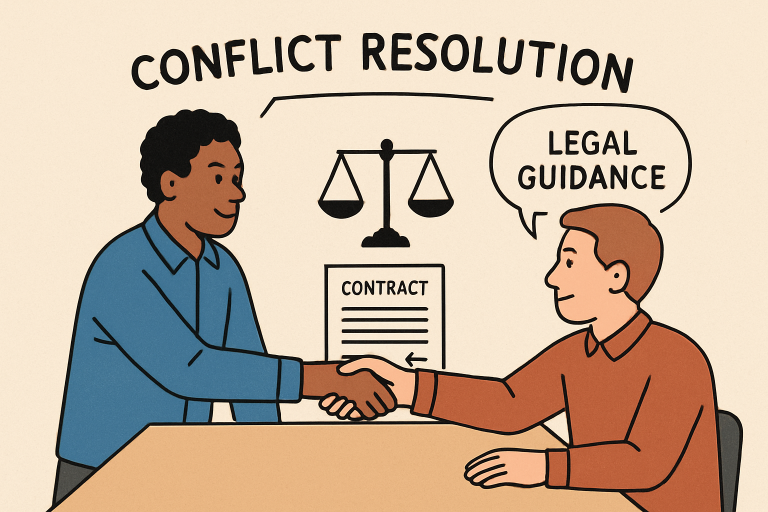
Common Everyday Disputes
Everyday disputes can arise in a wide variety of scenarios. Some of the most common issues individuals experience include:
- Landlord-Tenant Issues: Arguments over lease conditions, repair duties, or the handling of security deposits can escalate and become contentious.
- Consumer Complaints: Problems with the quality of purchased products, disputes regarding the fulfillment of service contracts, or difficulties making warranty claims are frequent triggers for legal intervention.
- Employment Conflicts: Disagreements may concern contract terms, workplace treatment, pay discrepancies, or cases of perceived wrongful termination.
- Neighbor Disagreements: Issues related to shared boundaries, excessive noise, or communal property maintenance can quickly strain neighborly relations.
According to the Federal Trade Commission, understanding your legal rights in consumer disputes can help individuals avoid escalating conflicts with businesses and service providers.
The Role of Legal Guidance
Lawyers play a pivotal role in helping people understand the laws and regulations governing particular types of disputes. Consulting a skilled criminal defense lawyer can be especially important when facing criminal charges, as they provide expert guidance on rights, procedures, and potential defenses. By having a legal professional interpret confusing or ambiguous rules, individuals can make well-informed decisions. In addition, legal representatives can advocate for fair remedies, negotiate on your behalf, and help draft or review formal documents that provide lasting protection
- Interpret the laws relevant to a specific conflict and offer options for resolution.
- Advocate for equitable outcomes and ensure rights are not overlooked or undervalued.
- Anticipate potential conflicts and suggest preventive measures, such as clear contract terms or written agreements.
Effective legal guidance is essential for resolving current disputes and reducing the likelihood of future ones.


Benefits of Early Legal Intervention
Quickly consulting a legal professional, even during the initial stages of a disagreement, can profoundly affect how a dispute is managed and resolved. Early legal engagement usually prevents misunderstandings from escalating into ongoing conflicts and encourages all parties to communicate openly and constructively.
- Reduces the duration and intensity of conflicts, saving everyone time and money.
- Promotes more amicable negotiations, minimizing emotional distress and uncertainty.
- Results in streamlined dispute resolution processes and better preservation of personal or business relationships.
Early action empowers people to fully understand their legal position, leading to more confident and informed choices when it matters most.
Alternative Dispute Resolution Methods
Alternative Dispute Resolution (ADR) encompasses mediation, arbitration, and other avenues outside traditional courtrooms. These approaches offer a less formal setting that often encourages compromise, reduces legal expenses, and shortens the time to reach a conclusion.
- Mediation: An impartial mediator guides the parties toward a voluntary agreement.
- Arbitration: An arbitrator makes binding decisions after hearing evidence from both sides.
Recent developments, such as the use of technology and artificial intelligence in ADR, have further improved access to justice by lowering barriers for people seeking resolution.
Final Thoughts
Resolving disputes effectively requires more than simply reacting to problems as they arise. Consulting legal professionals helps clarify the issues, prevents escalation, and ensures lasting solutions that benefit everyone involved. Whether the conflict concerns property, consumer transactions, employment, or neighbor relations, active legal guidance and consideration of alternative dispute resolution methods can provide timely and fair outcomes. By prioritizing early intervention and appropriate legal counsel, individuals and communities are better equipped to navigate daily challenges and maintain harmonious interactions for the long term.