Why Uninsured Drivers Increase Financial Risk After Accidents
Learn how uninsured drivers increase financial risk after car accidents and what steps to take to protect yourself from costly damages and losses.
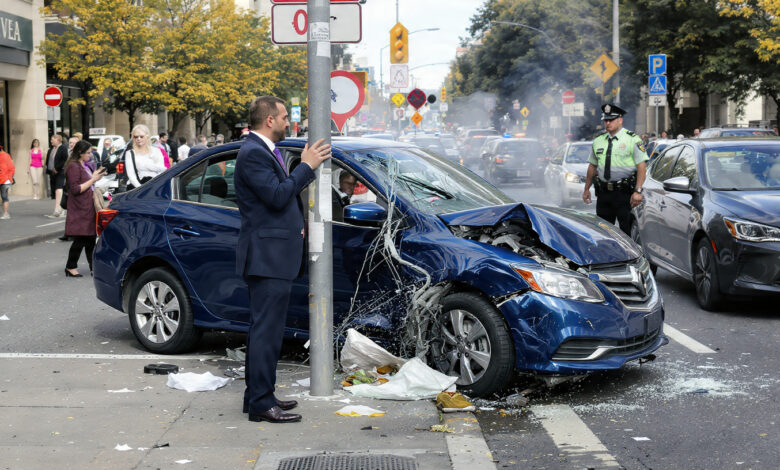
Everyone knows that a car accident can be severely damaging to those involved, both mentally and physically. However, not everyone realizes that those accidents can also be damaging financially. They know they have insurance, but what if the other driver doesn’t? Does that affect your financial risk?
Let’s explore three different ways that uninsured drivers increase financial risk after an accident, and then we’ll discuss a few ideas for next steps to take if you or someone you know has been involved in an automobile accident.
Increased Financial Risk for Insured Drivers
For clarity, it should be noted that uninsured drivers increase financial risk on three fronts. First, the other driver, the one who is insured, might find that their insurance company doesn’t want to pay for the damage to the driver’s car because the other driver was at fault, the policy doesn’t cover the car when friends or family members are driving, or their level of insurance isn’t enough to cover medical bills or other expenses.
They might expect the other driver’s insurance to pay out in some of these instances. However, if the other driver has no automobile insurance, they’re on the hook themselves. Typically, if someone can’t afford car insurance premiums, they probably don’t have $25,000 to pay for repairs or medical bills for the person they’ve hit. The other driver then needs a car accident lawyer to take the uninsured driver to court and recoup those costs.
Uninsured Drivers and The Cost of Insurance
Another way that uninsured drivers increase financial risk is by raising overall car insurance premiums for those who do have insurance, even safe drivers who have never been involved in an accident.
Every state except Virginia and New Hampshire requires drivers to have liability insurance. Many states also require “uninsured or underinsured policies” as part of any automobile insurance package to avoid situations like those mentioned in the previous section.
Insurance companies provide a valuable service, but they’re also companies. They need to turn a profit so that they can stay in business and pay their employees. Occasionally, an auto insurance company whose client gets into an accident can get some of their money back from the other driver’s insurance company if it’s proven that they’re at fault.
If the other driver has no insurance, there is no way for the insurance company to get its money back. As a result, they raise their insurance premiums across the board for all drivers to make up for the losses they incur when they have to pay out damages as a result of an accident with an insured driver.
Uninsured Drivers and Their Financial Risk to Themselves
Finally, the third way that uninsured drivers increase financial risks is to themselves. First, unless they’re in Virginia or New Hampshire, they’ve committed a crime by driving without insurance. It’s only a misdemeanor in most states, but they might have to pay a fine of up to $1,000 (which, again, they probably don’t have because they couldn’t afford insurance in the first place).

However, in many states, causing an accident while uninsured can also result in jail time. It can also lead to the driver’s license being suspended, which means more time spent waiting for public transportation or money spent on taxicabs or rideshares. If they’re found financially liable in court, part of their paychecks might be garnished until they’ve paid off the court’s judgment. Depending on the amount ordered by the court, it might take years.
It also limits their future employment opportunities, as most companies probably aren’t interested in hiring someone who spent time in jail for causing an accident without insurance, especially if someone was seriously hurt or killed as a result.
One mistake, like thinking it’s fine to drive a mile or two to the store without insurance “just this once”, can result in higher premiums, heartbreak, and severely increased financial risk for thousands or even millions of strangers who’ll have to pay the price.
What To Do After an Accident Involving an Uninsured Driver
If you’ve been in a car accident and the other driver isn’t insured, don’t panic. Not all insurance companies will raise your premiums if you can successfully demonstrate that the accident wasn’t your fault. There’s a very good chance that they’ll also pay for the damage to your car.
If not, you might need an experienced car accident lawyer to take the other driver to court. Your insurance company might offer you something called “subrogation”, where they pay your claim and seek the money from the other driver’s insurance company or, if they’re uninsured, the driver themselves.
There are advantages and disadvantages to subrogation. On one hand, they pay you and handle all the work. However, you’ll also be asked to sign away your right to sue the other driver, which could be disastrous if you later discover a long-term medical issue or another cost caused by the accident isn’t discovered right away. In this case, you’d be on the hook for it yourself, which can be very costly over time.
It’s very important to note, of course, that laws differ between states. Advice you receive about what to do next from a friend or relative who lives across the country, or even a neighboring state, might not apply in your case. You’ll want to check your state’s laws, either by yourself or with the assistance of an attorney, to find the best course of action for you.
Final Thoughts
Uninsured drivers increase financial risks for other drivers, themselves, and insurance companies when they get into accidents on the road. Even if no one is hurt, both drivers can end up in serious financial trouble as a result of an accident. Other drivers not involved in the accident may also face higher premiums in the future to help offset the risk incurred by the company that handles the insured driver’s protection plan.