The Emotional Effects of Isolation in Nursing Homes
Learn the signs and emotional effects of isolation in nursing homes, and how to protect your loved ones from neglect, mistreatment, and poor care.
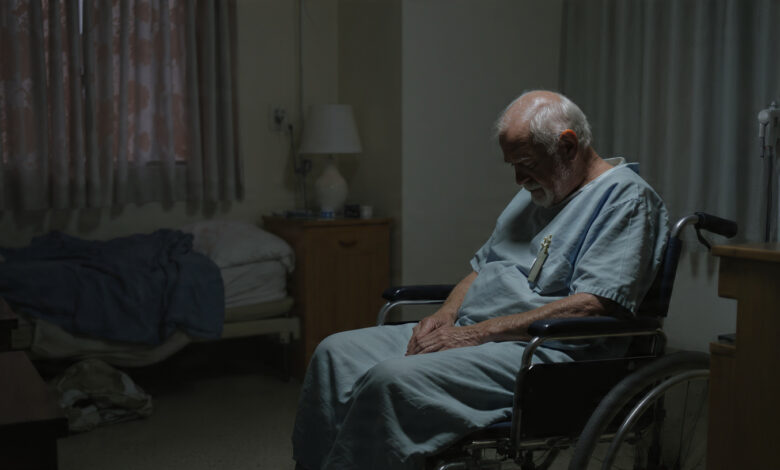
When you put someone you love in a nursing home, you have expectations of them receiving companionship, dignity, and proper care. Sadly, isolation is a looming concern in long-term care facilities. Whether caused by limited family visitation, medical restrictions, neglect, or understaffing, prolonged isolation can result in serious emotional consequences for elderly individuals.
Understanding the effects and knowing the warning signs of isolation is crucial. Know how to recognize when your loved one is experiencing something beyond unfortunate circumstances so you can watch out for mistreatment or neglect.
How Isolation Impacts Mental Health
Human beings are social creatures by nature. This need doesn’t diminish with age, and nursing home isolation can deeply impact psychological and emotional wellness. Residents left alone for extended periods of time are at risk of declining mental health. Depression is a common outcome among residents lacking meaningful interaction, and you might notice your loved one lose interest in activities, show persistent sadness, speak less, and avoid eye contact. Anxiety is another frequent consequence among residents who don’t receive regular communication or reassurance, leaving them confused or fearful.
The risks are particularly pronounced for individuals afflicted with cognitive impairments, including dementia. When social stimulation is limited, it can intensify agitation, paranoia, and other forms of emotional distress. In severe cases, chronic isolation can lead to cognitive decline; social engagement helps maintain attention span, memory, and problem-solving skills.
Without interaction, the human brain receives less stimulation, which can accelerate deterioration. Aging naturally affects cognition, but unnecessary isolation can exacerbate it. If your loved one’s emotional withdrawal seems extreme or sudden, it might raise concerns warranting closer attention. This is particularly true if the staff isn’t facilitating family communication or social activities.
The Physical Consequences of Emotional Isolation
Emotional harm doesn’t always restrict itself to mental health; physical effects can compound the issue. Loneliness and depression can increase inflammation, weaken the immune system, and boost the risk of cardiovascular complications. Fatigue, sleep disturbances, and unexplained aches or pains are also possible.
The connection between mortality and loneliness in older adults is well-documented, on par with the health risks of obesity and smoking. A nursing home that doesn’t provide appropriate opportunities for interaction can have a profound impact on its residents. Physical decline might include a lack of grooming, weight loss, and deteriorating mobility. If these appear to be connected to a lack of supervision or engagement, it is imperative to evaluate the potential for neglect.
When Isolation May Cross the Line Into Neglect
Not every case of isolation is intentional; limited staffing during emergencies or medical quarantines can temporarily restrict interactions. However, preventable and ongoing isolation might indicate deeper issues within a facility. Potential warning signs can range from staff discouraging visits without valid medical reasons to residents consistently being confined to their rooms, to minimal supervision or interaction during the day. A noticeable emotional decline following admission, and minimal interaction or supervision during the day, are also things to be mindful of. If you suspect that inadequate care is driving your loved one’s isolation, you need to know your legal options. A compassionate nursing home abuse lawyer can help you ascertain if the emotional harm experienced meets the criteria of actionable neglect.
More Than Just Loneliness
Isolation in nursing homes is a matter of loneliness, but it can also trigger anxiety, depression, cognitive decline, and serious consequences to your loved one’s physical health. Meaningful human connection isn’t optional for anyone, particularly elderly residents who rely on it for emotional stability and general well-being. Pay close attention to withdrawal, physical decline, sudden mood changes, or signs that staff members are needlessly limiting interactions.


Some isolation can stem from unavoidable circumstances, but ongoing emotional harm might signal neglect. Understanding the emotional impact of isolation helps you ask the right questions, advocate for improved care, and recognize when circumstances may require further evaluation.